Your Guide to New Construction Roofing
Understanding the fundamentals of new construction roofing is essential for a roofing service building a new home or structure. This guide aims to provide a comprehensive overview of the key aspects of roofing for new construction projects. From selecting appropriate materials to final installation and maintenance, roofing is a crucial component of any building project.
1. Understanding Roofing Materials
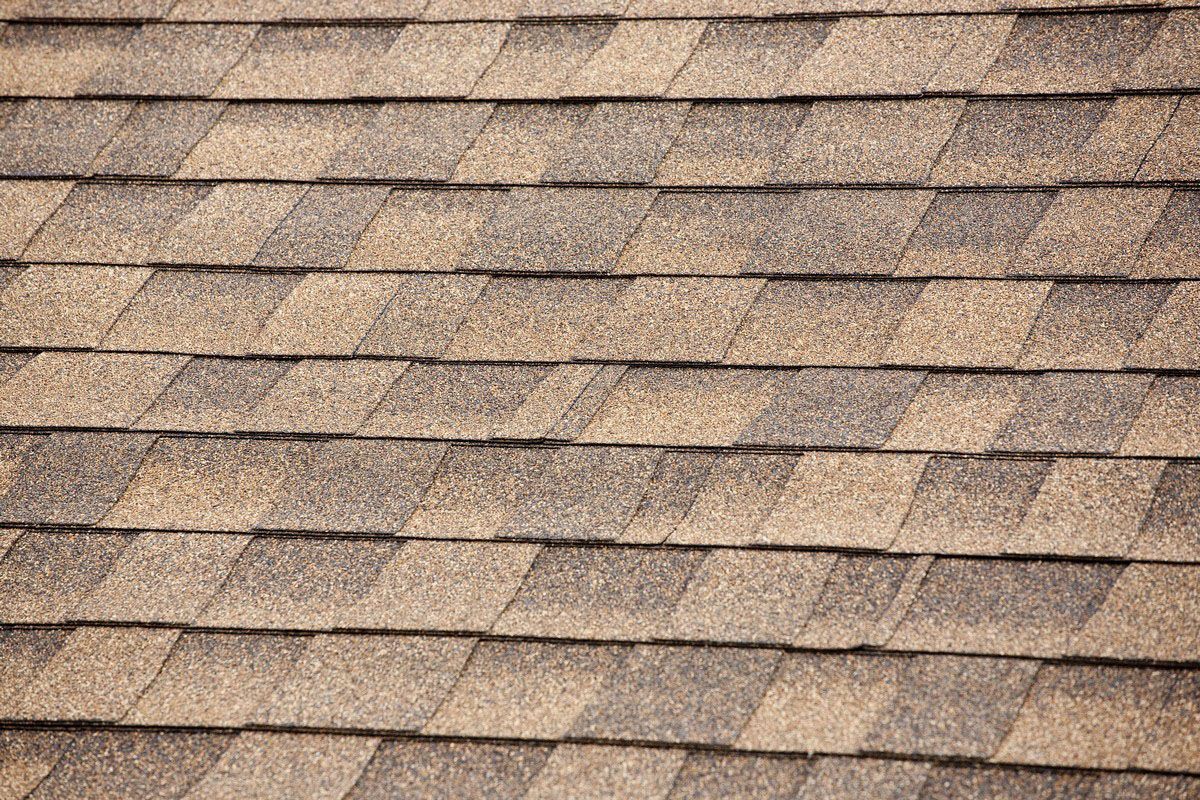
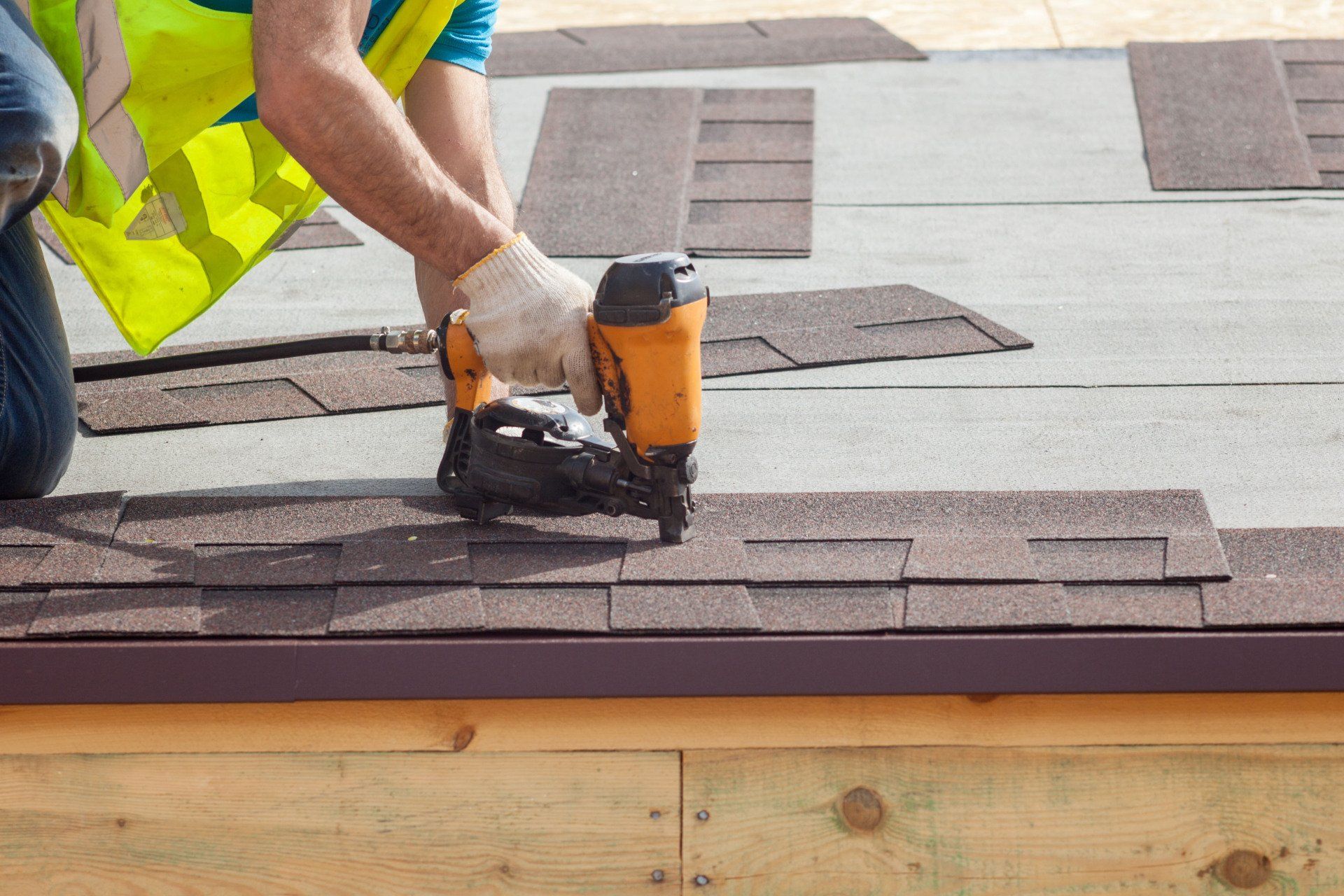
Choosing the right roofing material for a new construction project is a critical decision. Asphalt shingles are one of the most common options due to their affordability and ease of installation. They are available in a variety of colors and styles, making them versatile for different architectural designs. However, they may not be as durable as other options, which should be considered for long-term cost efficiency and weather resistance. It's important to balance initial costs with longevity when selecting roofing materials.
Metal roofing, on the other hand, offers durability and reflects heat, providing energy efficiency. Additionally, these materials are lightweight, which reduces the structural stress on the building. Although the initial cost is higher than asphalt shingles, the overall savings on energy bills and maintenance make it a worthwhile investment. For a modern and industrial look, metal roofing is an excellent choice.
Tile roofing, known for its classic aesthetic, is made from clay or concrete and provides excellent durability. Clay tiles offer a natural thermal barrier, reducing heat absorption and thus, energy consumption. Moreover, they are fire-resistant and perform well in warm climates, making them ideal in regions with hot weather conditions. The main downside is their weight, which requires a stronger structural support system. Despite the higher initial cost, tile roofs can last for decades according to our experts, making them a long-lasting choice.
2. Roofing Design and Plans
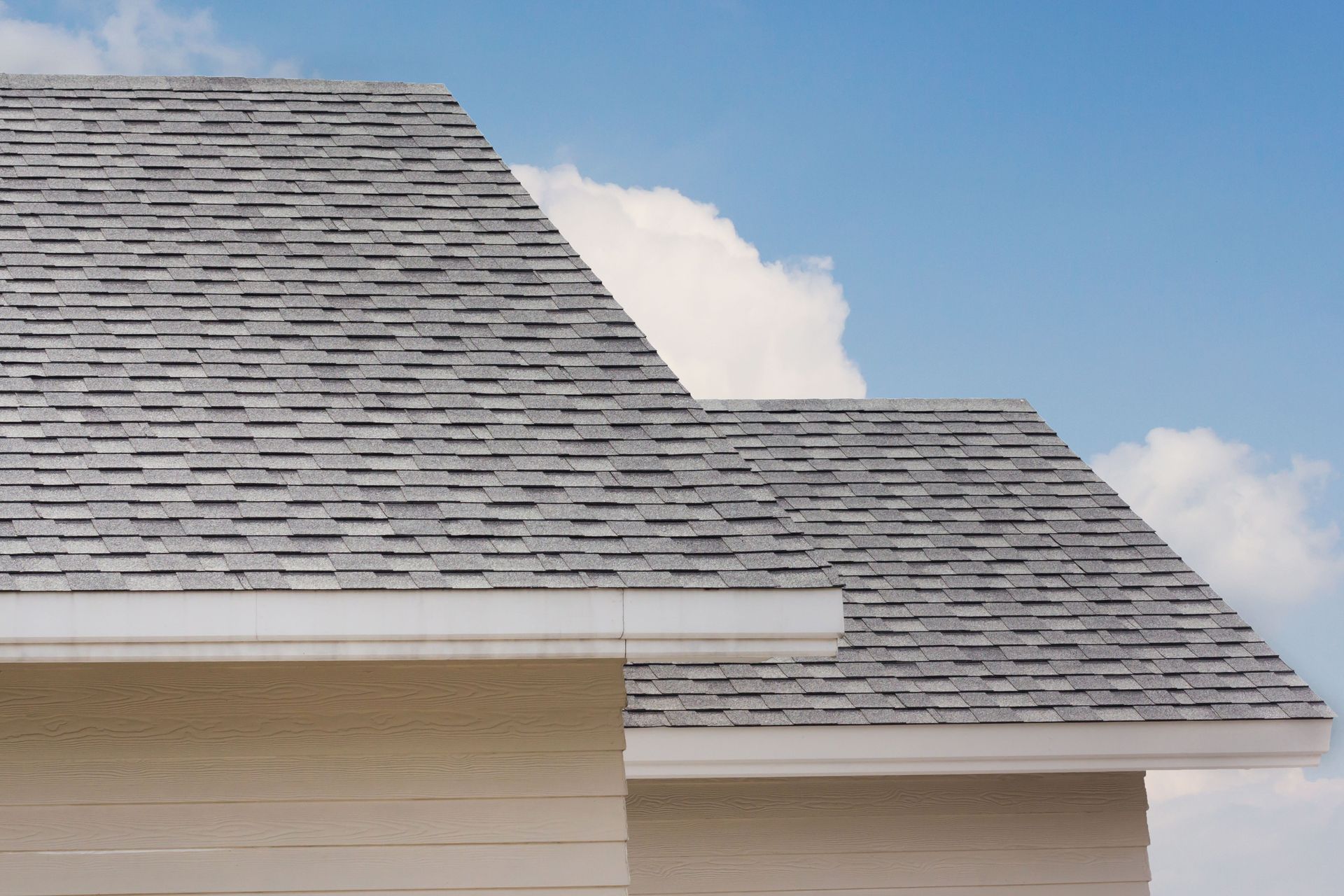
Proper roofing design is crucial in maintaining the integrity and functionality of a building. The architectural style and roof shape should complement each other, ensuring that the roof integrates seamlessly with the overall design. For instance, gable roofs are ideal for colonial-style houses, while hip roofs are suitable for more contemporary designs. The design also affects water runoff and resistance to elements like wind and snow. Ensuring compatibility between design and practical function is key to successful roofing.
Another critical factor is load-bearing capacity, which must be accurately calculated during the design phase. The roof must support not only its own weight but also any added weight from snow, ice, and wind. Load-bearing calculations are crucial in preventing structural failures that could compromise the safety of the building. This involves the roofing service using trusses, beams, and other supports to distribute the weight evenly. Proper design and planning of these elements ensure the roof’s ability to withstand external pressures.
Ventilation and insulation are also essential design considerations that impact the energy efficiency and comfort of the structure. Proper ventilation prevents moisture buildup and extends the life of the roofing components. According to Home365, cool roofs can reduce peak cooling demand by 10 to 15% through better insulation from the heat. Insulation requirements vary depending on the climate, but they must be considered early in the design process. Well-insulated and ventilated roofs help reduce energy consumption, leading to lower utility bills and a smaller carbon footprint.
3. Choosing the Right Roofing Contractor
Selecting a qualified roofing contractor is vital to ensure a smooth construction process and high-quality results. Credentials and licensing are the first things to check when evaluating potential contractors. A roofing service ensures adherence to local building codes and standards, reducing the risk of legal complications. Additionally, credentials indicate the contractor's expertise and commitment to professional development. It's essential to verify these qualifications to protect the investment in a new roof.
Experience and specialization are also important factors in choosing a roofer. Contractors with extensive experience in specific roofing styles or materials can provide valuable insights and recommendations. For instance, a roofing service specializing in metal roofs may offer superior installation techniques or maintenance tips. Additionally, experienced contractors are more adept at identifying potential issues before they become major problems. This expertise, combined with a track record of successful projects, is an excellent indicator of reliability and skill.
Customer reviews and references provide tangible insights into the contractor's reputation and past performance. Checking reviews on reputable websites can highlight a contractor's strengths and weaknesses and overall customer satisfaction. Direct references from past clients can offer detailed accounts of work quality and professionalism. This information helps build confidence in the choice of contractor, ensuring accountability and quality. Ultimately, positive reviews and recommendations are integral to selecting a contractor that aligns with project goals.
4. Coordinating the Installation Process
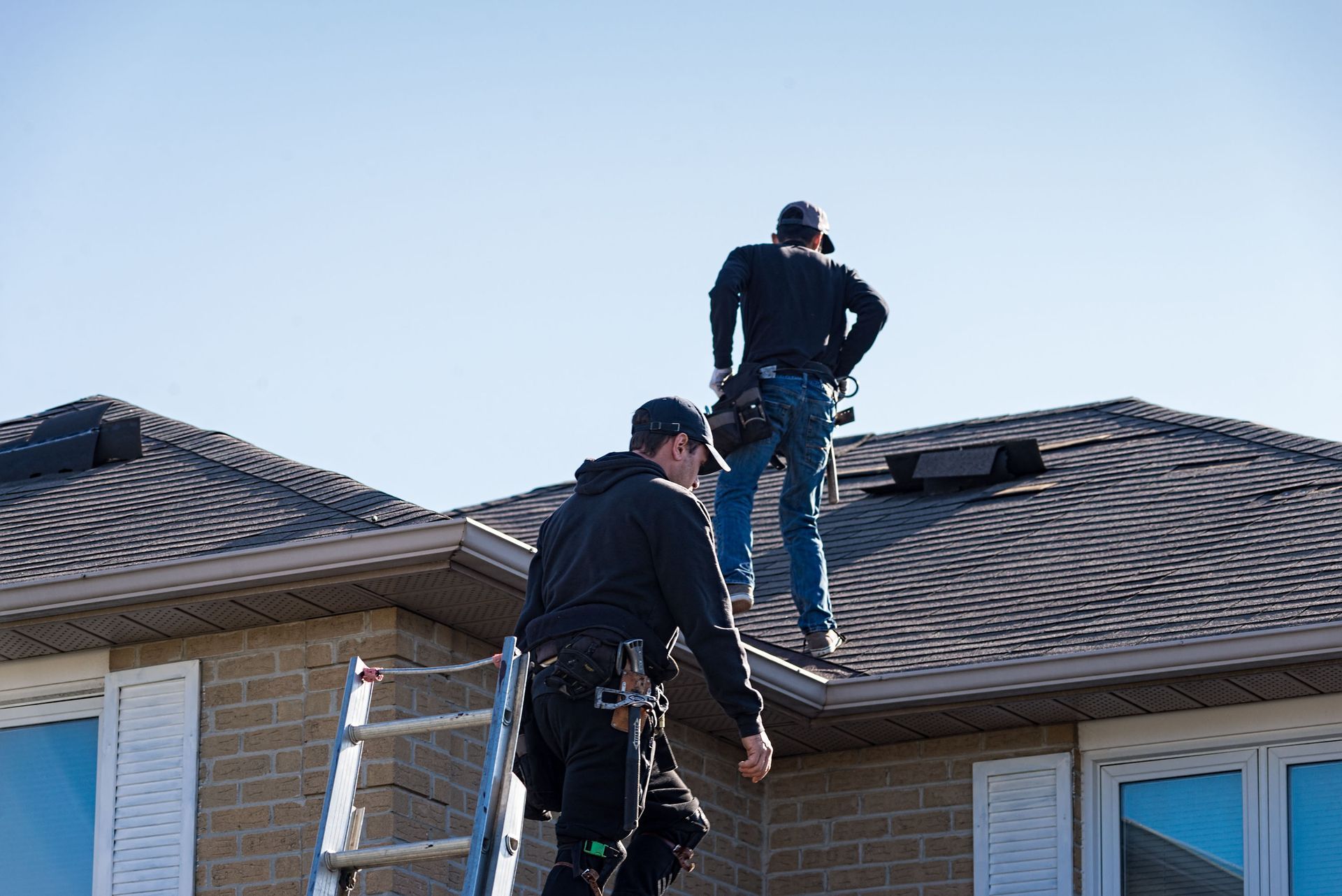
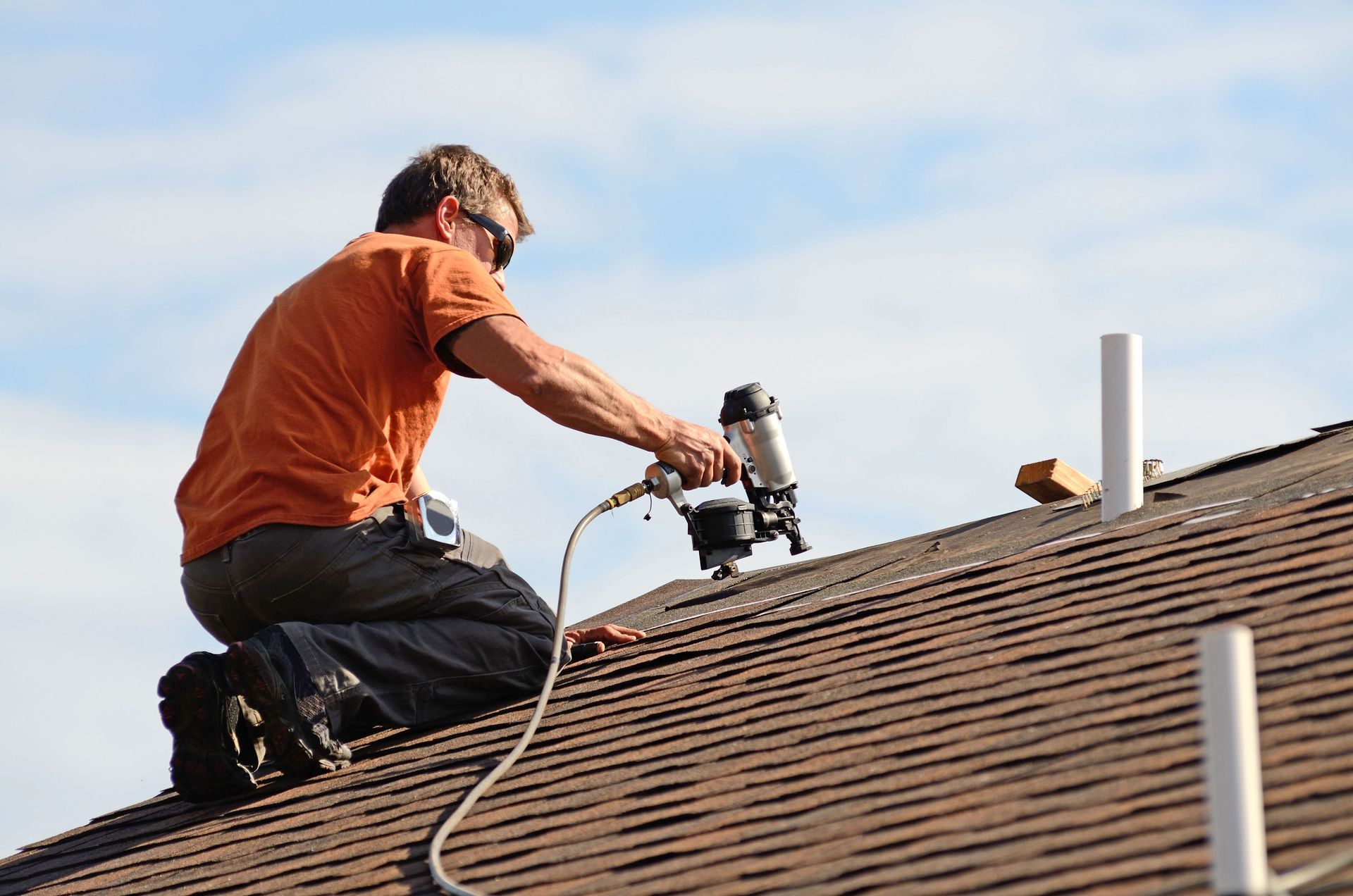
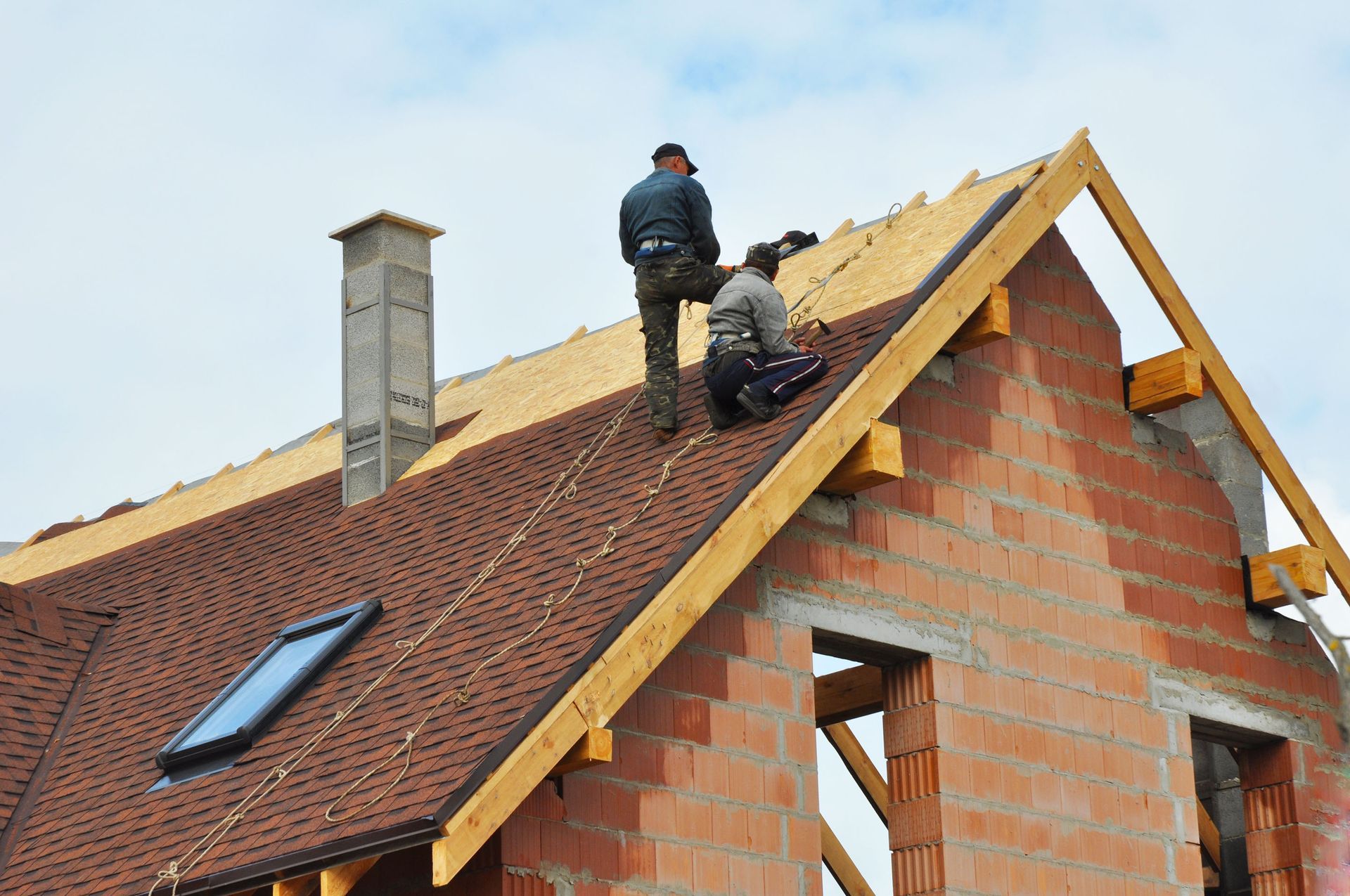
The installation process for a new roof is intricate and requires careful planning and coordination from a roofing service. Pre-installation planning involves assessing the building site, sourcing materials, and scheduling the workforce. A clear timeline and budget help to manage expectations and avoid unnecessary delays or costs. This phase also includes securing the appropriate permits and ensuring compliance with local regulations. Detailed planning sets a strong foundation for a successful roofing project.
Roofing tear-off and disposal is the initial step in the physical installation process. It involves the removal of the old roofing materials, if applicable, and their proper disposal. This task must be executed carefully to avoid damaging the underlying roof structure. Additionally, sustainable disposal practices, such as recycling old materials, contribute to eco-friendly construction. Ensuring thorough removal sets the stage for a clean and efficient installation process.
The next crucial step is the inspection and repair of the roof deck, which supports the roofing materials. Any damage to the deck must be repaired to ensure a stable base for the new roof. An inspection identifies issues like rot or structural weaknesses that could compromise the new installation. Addressing these findings before proceeding with installation helps prevent long-term problems and enhances the roof's durability and safety.
5. Roofing Problems and Solutions
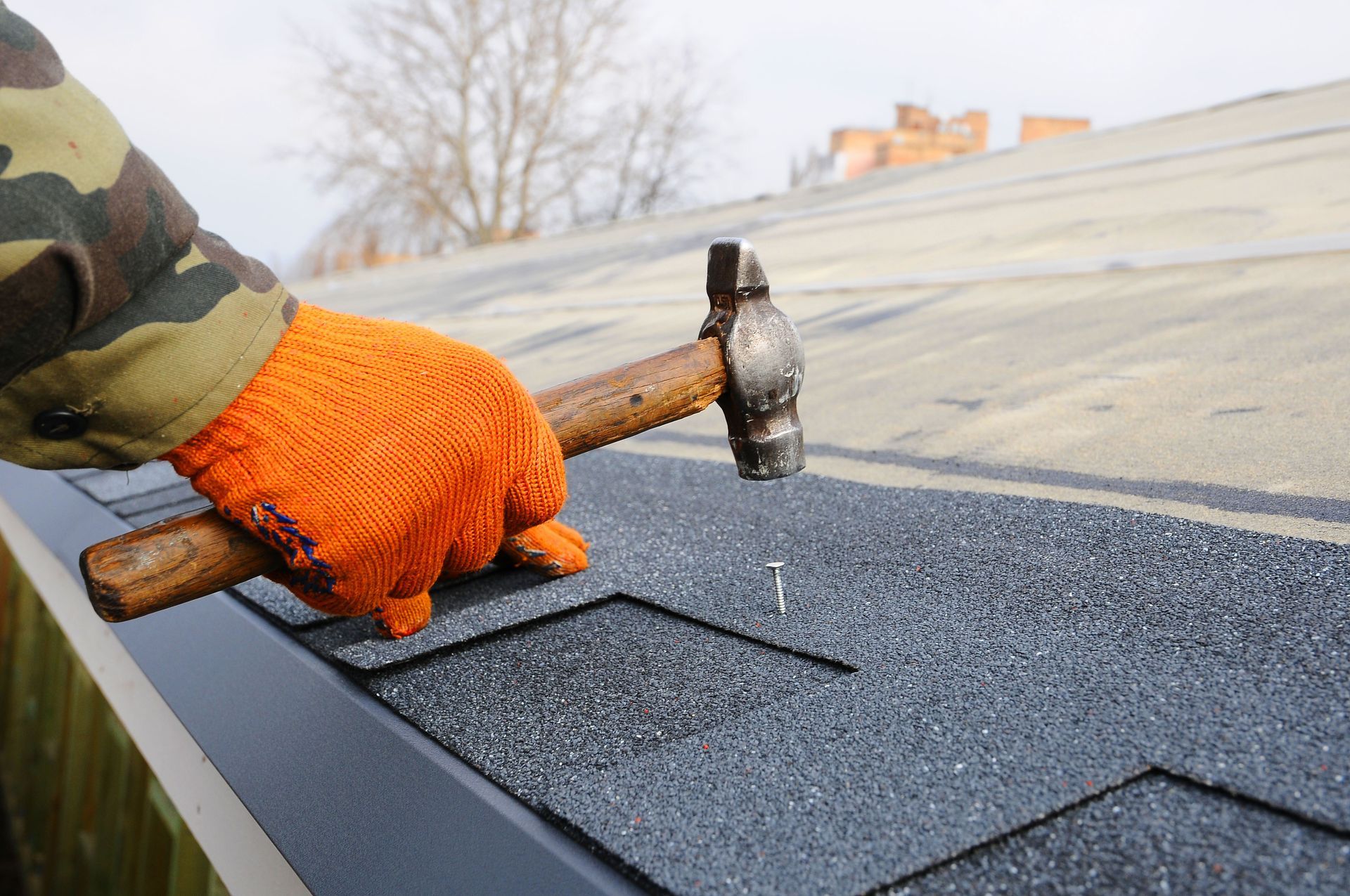
Roofing issues are inevitable, but knowing how to address them prevents significant damage and costly repairs. Leaks and water damage are common problems often caused by poor installation or extreme weather conditions. Regular inspections and maintenance help identify potential leak sources, such as damaged shingles or flashing. Applying waterproof seals and replacing damaged materials promptly can prevent leaks.
Poor installation can lead to a variety of issues, including leaks, insulation problems, and structural weaknesses. Hiring an experienced and reputable roofing service ensures proper installation techniques and quality materials. Addressing installation errors promptly is crucial to avoid compounding problems. Additionally, clear communication with contractors about project expectations and standards can prevent installation mishaps.
Weather damage, such as from storms or severe heat, can take a toll on roofs over time. Strategies to mitigate weather damage include selecting durable materials suited for the local climate and reinforcing areas prone to stress, like edges and seams. Regular maintenance, such as clearing debris and checking for damage after storms, can prevent minor issues from escalating.
Whether you're an individual building your dream home or a project manager overseeing construction, understanding the nuances of new construction roofing can help you make informed decisions. By carefully selecting materials, contractors, and considering sustainability, you ensure a durable, efficient, and aesthetically pleasing roof for years to come. Attentive planning and execution lead to roofing solutions that meet safety, efficiency, and aesthetic needs. If you want to know more about new construction roofing, contact Garcia Roofing & Exteriors today to learn more!


Share On: